
Quick Answer: Monsoon acne tab hota hai jab humidity, paseena, dhool aur AC se bahar andar ka farq mil kar pores block karte hain aur skin barrier kamzor karte hain. Hal: gentle oil-balancing face wash, light non-comedogenic moisturizer, roz sunscreen, aur breakout calm hone ke baad steroid-free brightening cream. Pimples painful ya cystic hon to dermatologist se milein.
Monsoon Acne Pakistan: September Mein Skin Kyun Bigarti Hai?
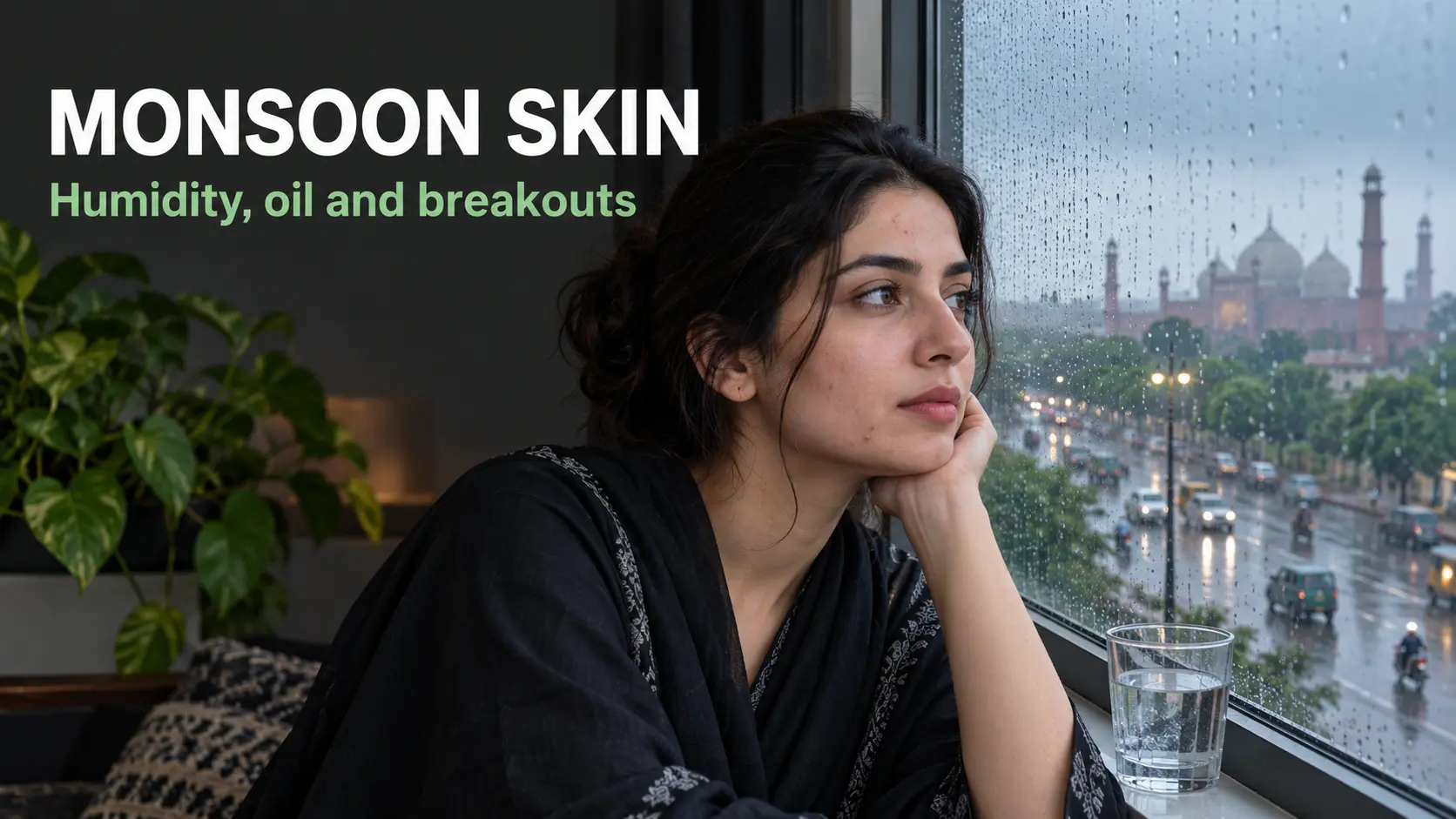
Har saal September mein Lahore, Karachi aur Islamabad mein ek ajeeb masla aata hai. Baarish kam ho jati hai magar humidity rehti hai, aur wo breakouts jo garmi bhar control mein thay achanak barh jate hain. Agar pichle kuch hafton se naye bumps, blackheads ya khujli wale chhote daane aa rahe hain, to ye monsoon acne ho sakta hai.
Ye aam pimples se thora alag hota hai, aur is ki apni wajahein aur types hain. Neeche pehle wajahein, phir types, phir routine.
Monsoon Mein Acne Kyun Barhta Hai? 3 Wajahein
| Wajah | Kya Hota Hai |
|---|---|
| Humidity | Skin zyada sebum bana sakti hai, jo paseene aur dead cells ke saath pores block karta hai |
| Paseena + dhool + pollution | Skin par parat jam jati hai jo bacteria ko pores ke saath chipka deti hai, khaaskar hairline, jawline aur peeth par |
| AC se bahar aur andar ka farq | Din mein kai dafa AC aur nami wali hawa mein jaane se barrier kamzor hota hai |
Iska matlab ye nahi ke aap ki skin ganda hai ya aap kuch ghalat kar rahe hain. Ye mausam ka predictable response hai, aur sahi routine se behtar hota hai, zor se scrub karne ya moisturizer chhodne se nahi.
Monsoon Breakouts Ki 3 Qismein
1. Paseene se hone wale whiteheads aur closed comedones
Chhote, skin-colored ya halke laal daane jo maathe aur thori par cluster mein aate hain. Ye pores mein paseena aur oil phans jaane se hote hain. Gentle exfoliation aur non-comedogenic products se behtar hote hain.
2. Fungal acne (Malassezia folliculitis)
Ek jaise chhote, khujli wale daane, aksar seene, peeth ya hairline par. Humid mausam mein yeast paseene mein barhta hai. Aam acne products se ye theek nahi hote aur kabhi kabhi khujli barh sakti hai. Isliye shak ho to dermatologist se rujoo karein.
3. Gehre, bacterial ya hormonal pimples
Bade, tender, kabhi kabhi dard wale daane jo der se surface par aate hain. Aksar jawline aur thori par hote hain aur baad mein nishaan chhor dete hain. Breakout calm hone ke baad steroid-free brightening cream in nishanon ke look ko behtar karne mein madad kar sakti hai.
| Type | Kahan | Nishani | Kya Karein |
|---|---|---|---|
| Whiteheads / closed comedones | Maatha, thori | Chhote, skin-colored cluster | Gentle cleanse, non-comedogenic moisturizer |
| Fungal acne | Seena, peeth, hairline | Ek jaise, khujli wale | Dermatologist se mashwara |
| Deep acne | Jawline, thori | Bade, tender | Dermatologist, hands off |
Post-Monsoon Skincare Routine: Step by Step
Maqsad simple hai: pores saaf rakhein, barrier hydrated rakhein, aur sunscreen kabhi skip na karein, kyunke acne ke nishan dhoop mein jaldi gehre hote hain.
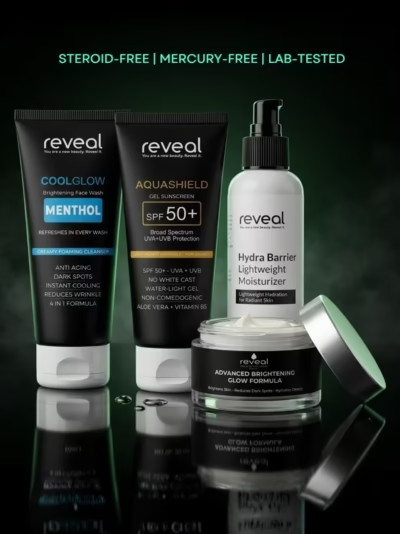
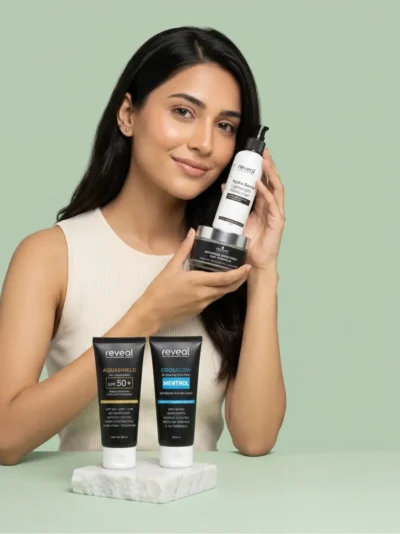
- Din mein 2 dafa cleanse: CoolGlow Brightening Face Wash (60ml, Rs 880) paseena aur pollution utarta hai, SLS-free hai aur tea tree aur niacinamide ke saath bana hai. Zyada cleansing se bachein, kyunke wo khud breakouts barha sakti hai.
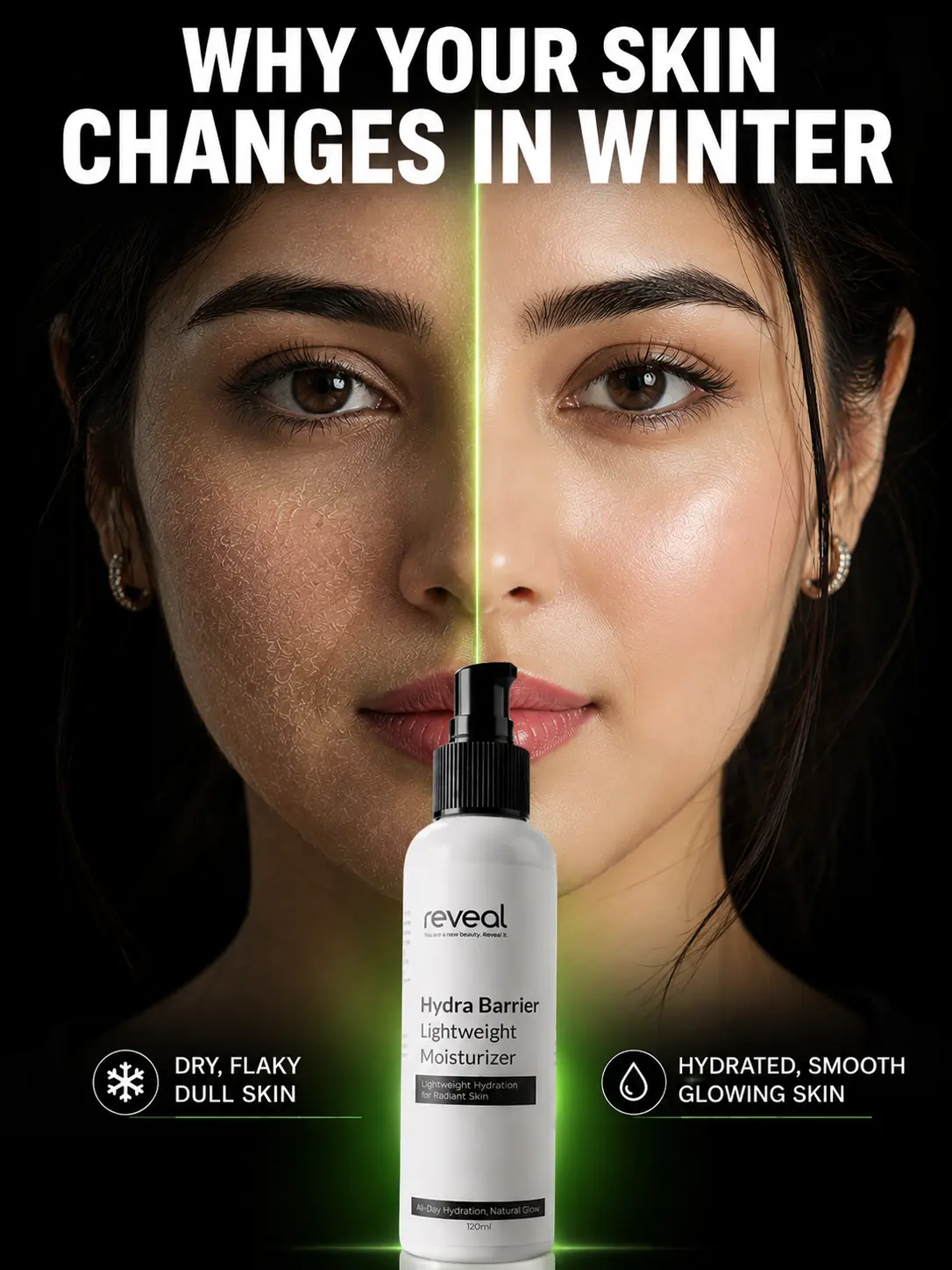
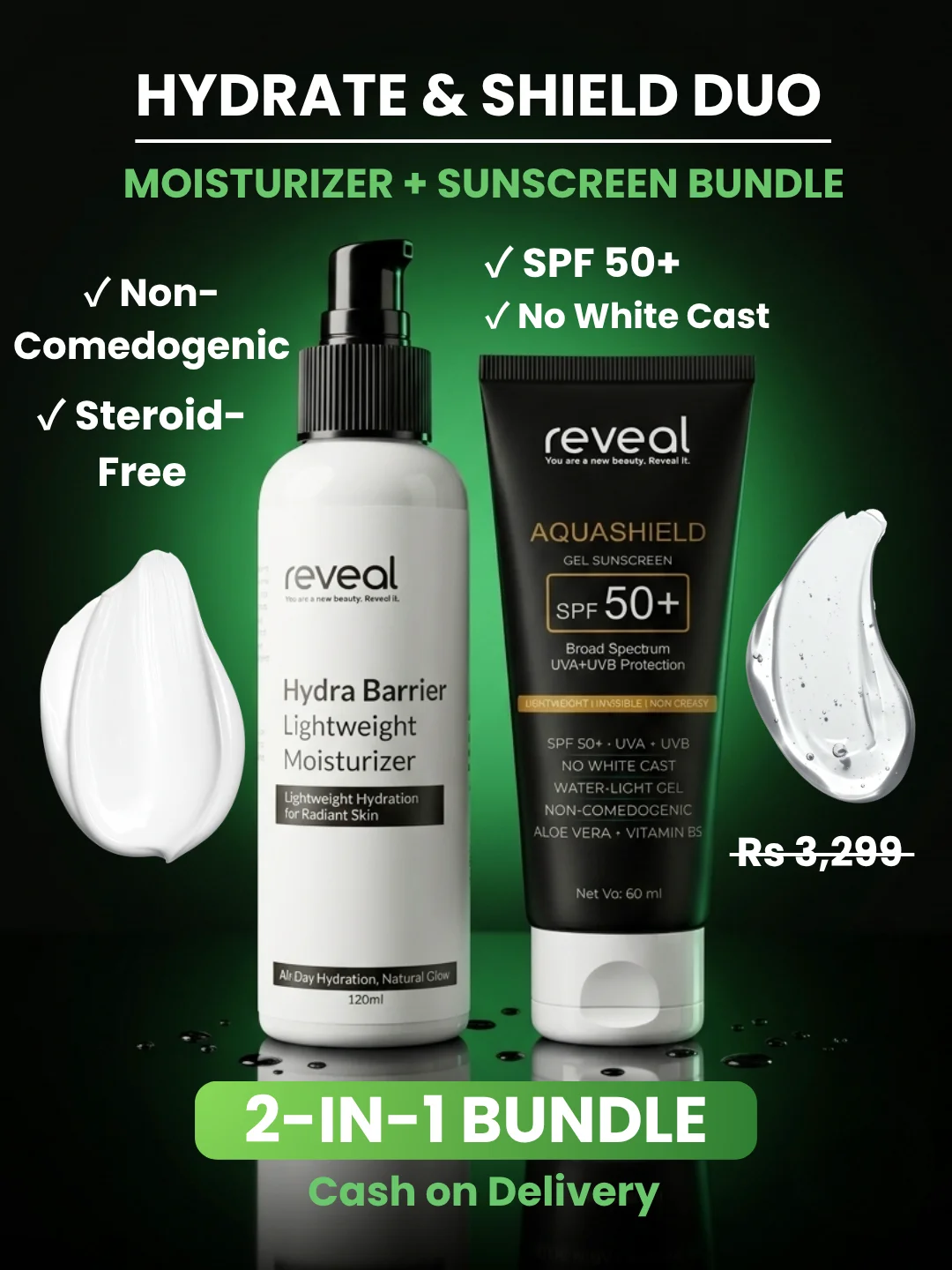
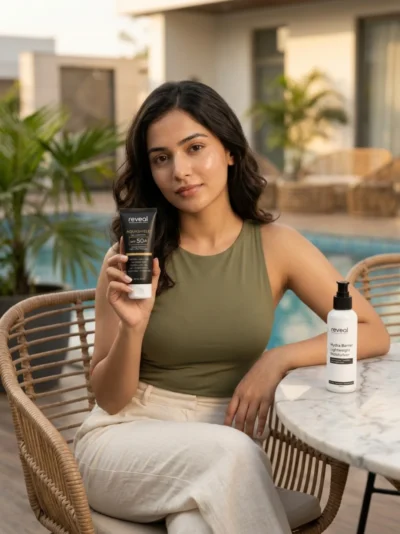
- Light moisturizer: Oily lagne par moisturizer chhodna aam ghalti hai. Hydra Barrier (Rs 1,049) lightweight hai aur ceramides + hyaluronic acid se barrier support karta hai.
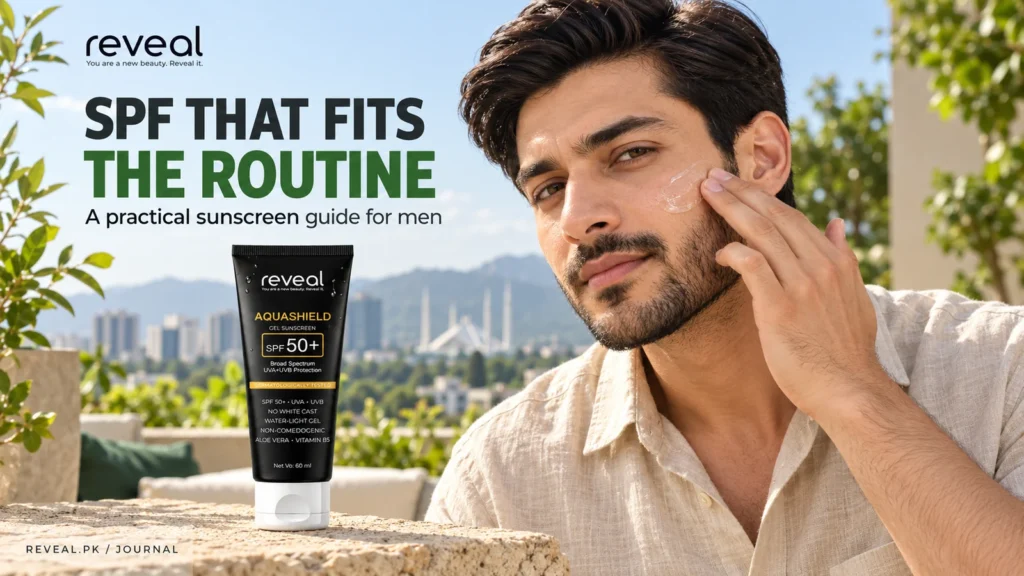
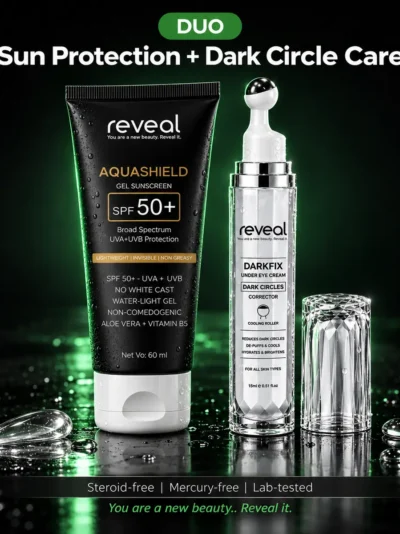
- Baadal mein bhi sunscreen: UV baadal se guzar sakta hai, aur acne ke nishan unprotected rehne par gehre ho sakte hain. AquaShield SPF 50+ Gel (60ml, Rs 1,080) oily, acne-prone skin ke liye bana hai aur non-comedogenic hai.
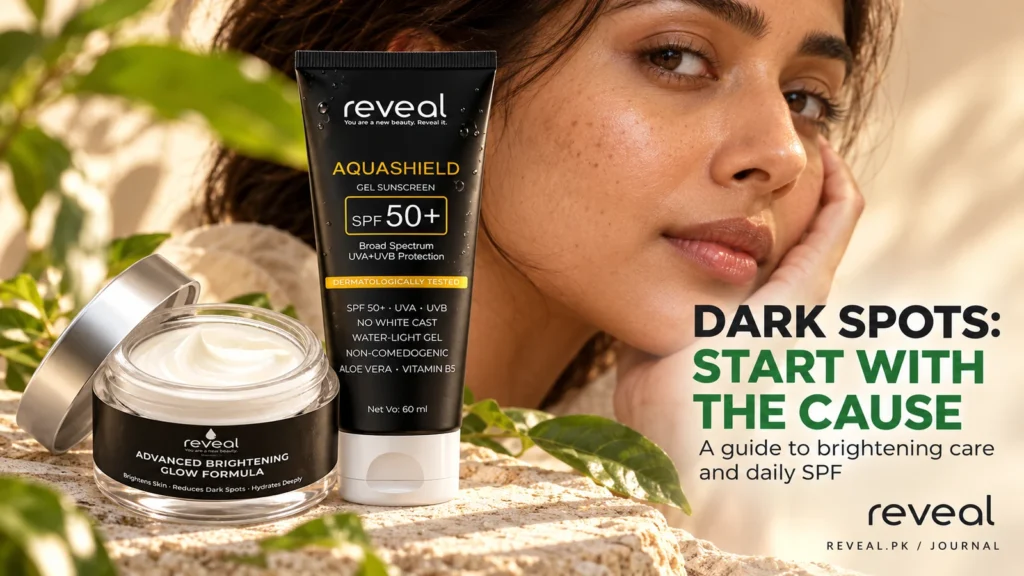
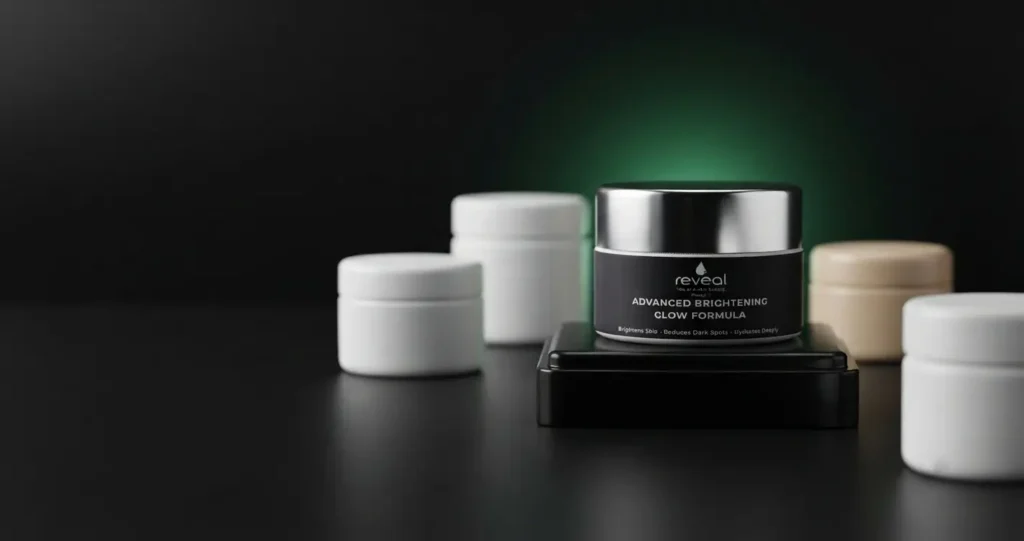
- Calm hone ke baad brightening: LumiGlow (2% alpha arbutin + 5% niacinamide, steroid-free, mercury-free, lab-tested) healed nishanon par. Active ya khuli hui pimples par na lagayein.
Poora oily skin routine complete skincare routine for oily skin mein hai, aur combination skin wale one-routine guide dekhein.
Subah Aur Raat Ka Schedule
| Waqt | Steps |
|---|---|
| Subah | Face wash, moisturizer, sunscreen |
| Dopahar (agar bahar hain) | Paseena tissue se dab kar poonchein, sunscreen reapply |
| Raat | Face wash, moisturizer |
| Hafte mein 1 se 2 dafa | Halka exfoliation, zyada nahi |
| Breakout calm hone ke baad | Brightening cream healed nishanon par |
Sunscreen kitni der baad dobara lagana hai, is par sunscreen reapply guide dekhein.
Humid Mausam Ki Chhoti Aadatein Jo Farq Daalti Hain
- Takiye ka cover hafte mein 2 dafa badlein.
- Paseena ragarne ke bajaye saaf tissue se dab kar poonchein.
- Chehre ko haath na lagayein, khaaskar phone ya dupatte ke baad.
- Hairline aur jawline ke paas heavy hair oils se bachein.
- Pimples ko chheelein ya phodein nahi, isse nishan aur gehre ho sakte hain.
- Paani zyada piyein.
Monsoon Acne Ke Common Myths
| Myth | Reality |
|---|---|
| Oily hai to moisturizer mat lagayein | Skip karne se skin aur oil bana sakti hai. Light gel moisturizer chunein. |
| Zor se scrub karne se pimples jayenge | Barrier kharab hota hai, irritation barhti hai. |
| Baadal mein sunscreen nahi chahiye | UV baadal se guzarta hai. |
| Har daana acne hota hai | Fungal acne alag hota hai aur alag treatment maangta hai. |
| Toothpaste lagao | Skin ko jala sakti hai, mat lagayein. |
Dermatologist Ke Paas Kab Jayein?
Agar pimples dard wale, cystic, tezi se phailne wale hon, ya consistent gentle routine ke baad bhi behtar na hon, to dermatologist se mashwara karein. Aise cases mein targeted prescription ki zaroorat ho sakti hai. Ye article medical advice ka badal nahi hai. Naya product istemal karne se pehle patch test karein.
Summary
Monsoon acne humidity, paseena aur barrier stress ka natija hai. Gentle cleanse, light moisturizer, roz sunscreen aur sabr, ye hi sab se mehfooz plan hai. Nishanon par brightening cream tab lagayein jab pimples calm ho jayein.
You are a new beauty.. Reveal it.
Frequently Asked Questions
Monsoon ke baad pimples kyun barhte hain?
Humidity sebum barhati hai, paseena aur dhool pores block karte hain, aur AC aur humid hawa ka farq barrier kamzor karta hai.
Kya oily skin mein moisturizer chhod dena chahiye?
Nahi. Skip karne se skin aur oil bana sakti hai. Light, non-comedogenic gel moisturizer chunein.
Fungal acne aam acne se kaise alag hai?
Fungal acne mein chhote, ek jaise, khujli wale daane hote hain, aksar seene, peeth ya hairline par. Aam acne ke products se ye theek nahi hota.
Kya active pimples par brightening cream laga sakte hain?
Behtar hai ke pehle pimples calm hon, phir healed nishanon par lagayein. Inflamed skin par irritation ho sakti hai.
Kya baadal wale din sunscreen zaroori hai?
Jee haan. UV baadal se guzarta hai aur acne ke nishan unprotected rehne par gehre ho sakte hain.
Monsoon mein face wash kaisa hona chahiye?
Gentle, SLS-free aur oil-balancing. Din mein 2 dafa kaafi hai.
Kya Reveal ke products acne-prone skin ke liye theek hain?
AquaShield aur Hydra Barrier non-comedogenic hain, aur sab Reveal products steroid-free, mercury-free aur lab-tested hain.
Patch test zaroor karein.
Monsoon Acne Pakistan: Shehron Ke Hisab Se Farq
Monsoon acne Pakistan mein har shehar mein ek jaisa nahi hota. Karachi mein samandari nami saal bhar rehti hai, is liye wahan rehne walon ko monsoon mein zyada breakouts hote hain. Lahore mein baarish ke baad wali habs sab se zyada pareshan karti hai, jab hawa mein nami aur garmi dono barh jate hain.
Islamabad aur Peshawar mein monsoon ki baarish tez hoti hai lekin us ke baad dhoop nikal aati hai. Ye utar charhao skin ko confuse karta hai, aur paseena aur dhool mil kar pores band kar dete hain. Har shehar mein monsoon acne Pakistan ka sab se bara trigger nami hai, lekin us se nimatne ka tareeqa thoda mukhtalif ho sakta hai.
Aap jahan bhi rehte hon, usool ek hi hai: skin ko saaf aur halka rakhein. Bhari creams se bachein, aur din mein do dafa gentle cleansing ko routine banayein.
Fungal Acne Ko Aam Acne Se Kaise Alag Karein
Monsoon mein hone wale har dane ko aam acne samajhna ghalti hai. Fungal acne, jise Malassezia folliculitis bhi kehte hain, darasal yeast ki wajah se hota hai, bacteria ki wajah se nahi. Ye baat samajhna zaroori hai kyunke is ka ilaj aam acne se mukhtalif hai.
Fungal acne ki pehchan: chhote, ek jaise size ke daane jo khujli karte hain. Ye aksar seene, peeth, kandhon ya hairline par hote hain. Aam acne mein daane mukhtalif size ke hote hain aur khujli nahi hoti. Agar aap ke daane khujli wale hain aur aam acne treatment se theek nahi ho rahe, to fungal acne ho sakta hai.
Monsoon acne Pakistan mein fungal acne ka khatra zyada hota hai kyunke garmi aur nami yeast ke liye behtreen mahol hai. Tight kapde, paseena aur der tak geele rehna is ko barhata hai. Agar fungal acne ka shak ho to dermatologist se mashwara karein, kyunke is ke liye antifungal treatment chahiye hota hai, aam acne wali creams nahi.
Humidity Mein Skincare Layering Ka Sahi Tareeqa
Monsoon mein skincare layering ka usool simple hai: patli se gaarhi taraf. Pehle face wash, phir halka moisturizer, aur aakhir mein sunscreen. Bhari serums aur creams ko chhod dein ya raat tak mehdood rakhein. Har layer ke darmiyan 30 second ka waqfa dein taake product jazb ho jaye.
Agar aap ki skin bahut oily hai to moisturizer ki jagah sirf hydrating gel kaafi ho sakta hai. Lekin moisturizer ko poori tarah skip na karein. Barrier ko support ki zaroorat hoti hai, warna skin aur zyada oil banane lagti hai. Yehi wajah hai ke monsoon acne Pakistan mein aksar un logon ko zyada hota hai jo moisturizer chhod dete hain.
Raat ko layering aur bhi halki rakhein. Face wash ke baad sirf moisturizer kaafi hai. Hafte mein ek ya do dafa halka exfoliation kar sakte hain, lekin rozana scrub se bachein. Kam products, behtar natija, yehi monsoon ka formula hai.
Monsoon Mein Kya Khayein, Kya Na Khayein
Khana seedha acne ka sabab nahi banta, lekin kuch cheezein breakouts ko barha sakti hain. Monsoon mein bahut meethi cheezein, doodh wali mithaiyan aur tali hui cheezein kam karein. Ye insulin spike kar sakti hain jo oil production barhata hai.
Zyada pani piyein, taaza sabziyan aur phal khayein. Dahi aur lassi probiotics dete hain jo gut health ke liye achhe hain. Gut aur skin ka gehra taalluq hai, is liye andar se sehatmand rehna bahar bhi nazar aata hai.
Monsoon acne Pakistan mein aksar un logon ko zyada pareshan karta hai jo bahar ka khana zyada khate hain. Ghar ka sada khana, kam tail, aur waqt par sona, ye teeno mil kar skin ko behtar rakhte hain.
Monsoon Acne Ke Nishan Se Kaise Bachein
Monsoon acne ka sab se bura hissa aksar nishan hote hain. Pimples to chale jate hain, lekin peeche kaale ya laal nishan chhod jate hain. Is se bachne ka sab se asaan tareeqa hai pimples ko chheerna band karna aur sunscreen ko kabhi skip na karna.
UV rays nishanon ko gehra karte hain, chahe baadal hon ya dhoop. Is liye monsoon mein bhi rozana sunscreen lagayein. Jab breakout calm ho jaye to healed nishanon par brightening products istemal kar sakte hain. American Academy of Dermatology ke mutabiq acne ke nishanon se bachne ke liye unhein chheerna nahi chahiye aur suraj se hifazat zaroori hai.
Sabar rakhein. Nishan waqt ke saath halke hote hain. Consistent routine aur sunscreen se farq nazar aata hai. Agar nishan gehre hon to dermatologist se mashwara karein.
Monsoon Acne Pakistan: Kab Dermatologist Ko Dikhayein
Agar pimples dard wale, cystic ya tezi se phailne wale hon to der na karein. Monsoon acne Pakistan mein aksar ghar par hi manage ho jata hai, lekin kuch alamaton par professional help zaroori hai.
Agar routine ke bawajood do mahine mein koi behtari na aaye to dermatologist se milna behtar hai. Woh aap ki skin dekh kar sahi treatment bata sakte hain. Khud se tez dawaiyan ya steroid wali creams istemal na karein.
Steroid-free, mercury-free, lab-tested products istemal karein aur sabar rakhein. Sahi routine, achhi neend aur waqt se skin behtar ho jati hai. Monsoon khatam hote hi zyada tar breakouts khud kam ho jate hain. Aap ki skin ki sehat aap ke haath mein hai.
Koi sawal ho to neeche comment mein poochein, hum zaroor jawab denge. Khush rahiye, sehatmand rahiye.